SUMMARY
The thread linking my various projects is a unifying interest in afterlives, adaptations, and remediations of early modern and other classical drama. Under that umbrella, my work is best described as inter- and multi-disciplinary, with links to theatre, drama, and performance, English literature, (digital) cultural studies, fan and fiction studies, feminist and gender studies, and theatre history and historiography.
Currently, I am streamlining my research agenda behind the Measure (Still) for Measure project, which has two related strands:
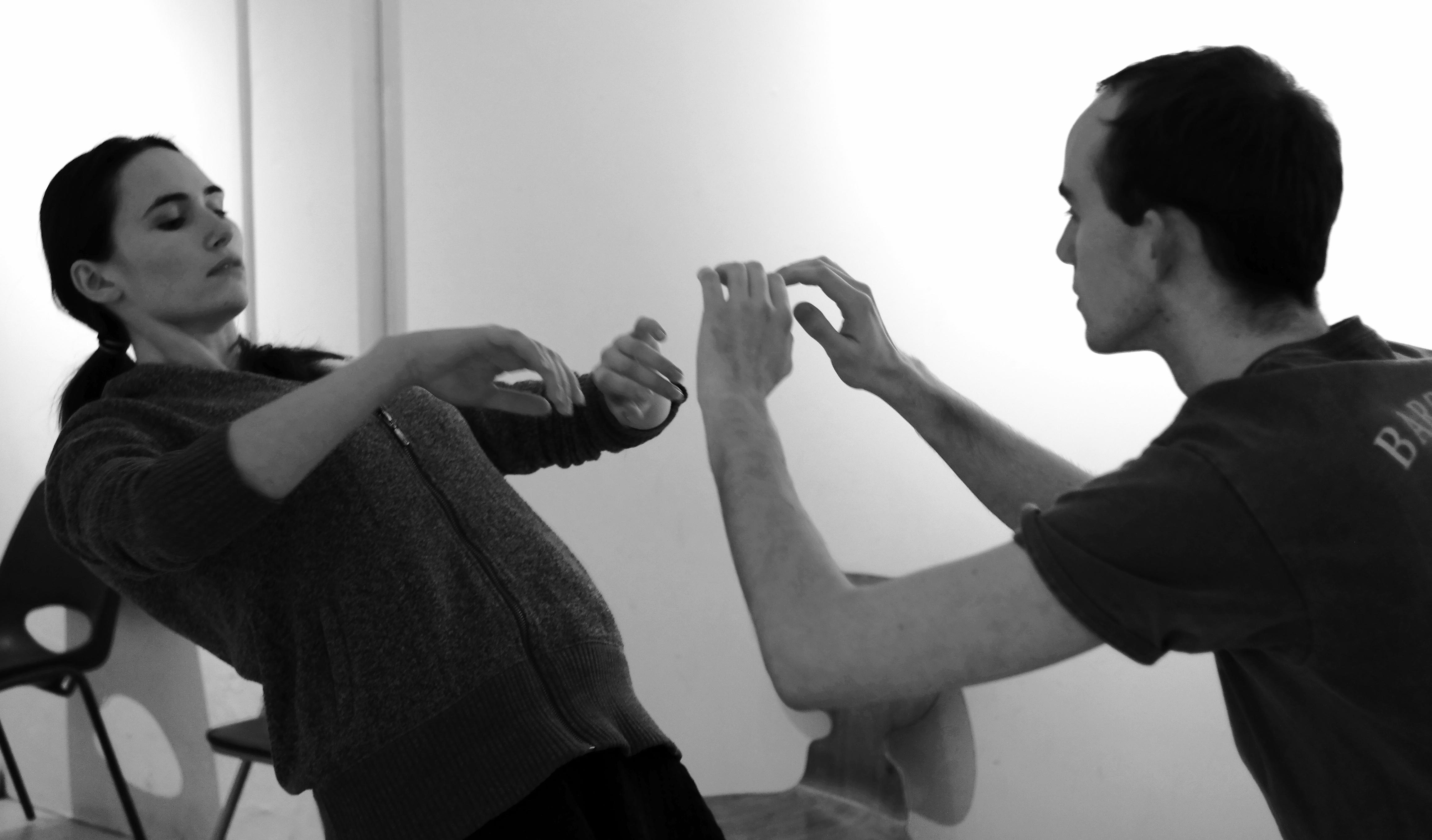
PRACTICE as RESEARCH – Measure (Still) for Measure
- Long-term, impact-focused project adapting Shakespeare & Middleton’s Measure for Measure to facilitate discussions about rape culture and instigate cultural and policy changes in educational institutions.
- Currently in the process of applying for Knowledge Exchange Funding through University of Bristol to extend the project’s reach and begin development of a toolkit for publication. This is a major component of the project’s impact agenda.
- Completed 2017 pilot phase as an artist-in-residence with the Advanced Acting class at Nichols School (NY)
- Awarded a space for Research & Development in 2016 by the Bike Shed Theatre & Exeter City Council.
- International collaboration with partners in the UK, India, Ireland, Canada, France, and the United States
- More information can be found at http://measurestill.wordpress.com.
- Outputs to date include an article in PARtake and an episode of Howlround’s Theater History Podcast (see ‘Publications’), as well as a number of invited talks and workshops.
MONOGRAPH – Canonical Misogyny: Dramaturgies of Sexual Violence in Early Modern Performance (Edinburgh UP)
- Addresses a persistent and pressing problem in contemporary theatre: how to stage sexual violence without either trivialising or sensationalising it?
- Proposes that looking specifically at dramaturgy helps to describe and counteract the problems that can occur when theatres attempt to ameliorate the essential violence of canonical plays such as Shakespeare’s.
- Updates and expands upon previous work in this area, incorporating relevant research from outside Shakespeare and early modern studies in fields such as philosophy and sociology.
- Focuses on contemporary theatre as a site of meaning-making, departing from most recent studies of violence against women in early modern drama, which tend to be historical and/or text-based in their focus. This means that I think about how particular production choices make meaning in a contemporary theatre setting, rather than how the text works on the page or how Shakespeare’s original theatres might have approached the work.
- Includes critical-reflective chapters that speak directly to the practice-as-research process underpinning the book and the embodied nature of research on sexual violence.
